

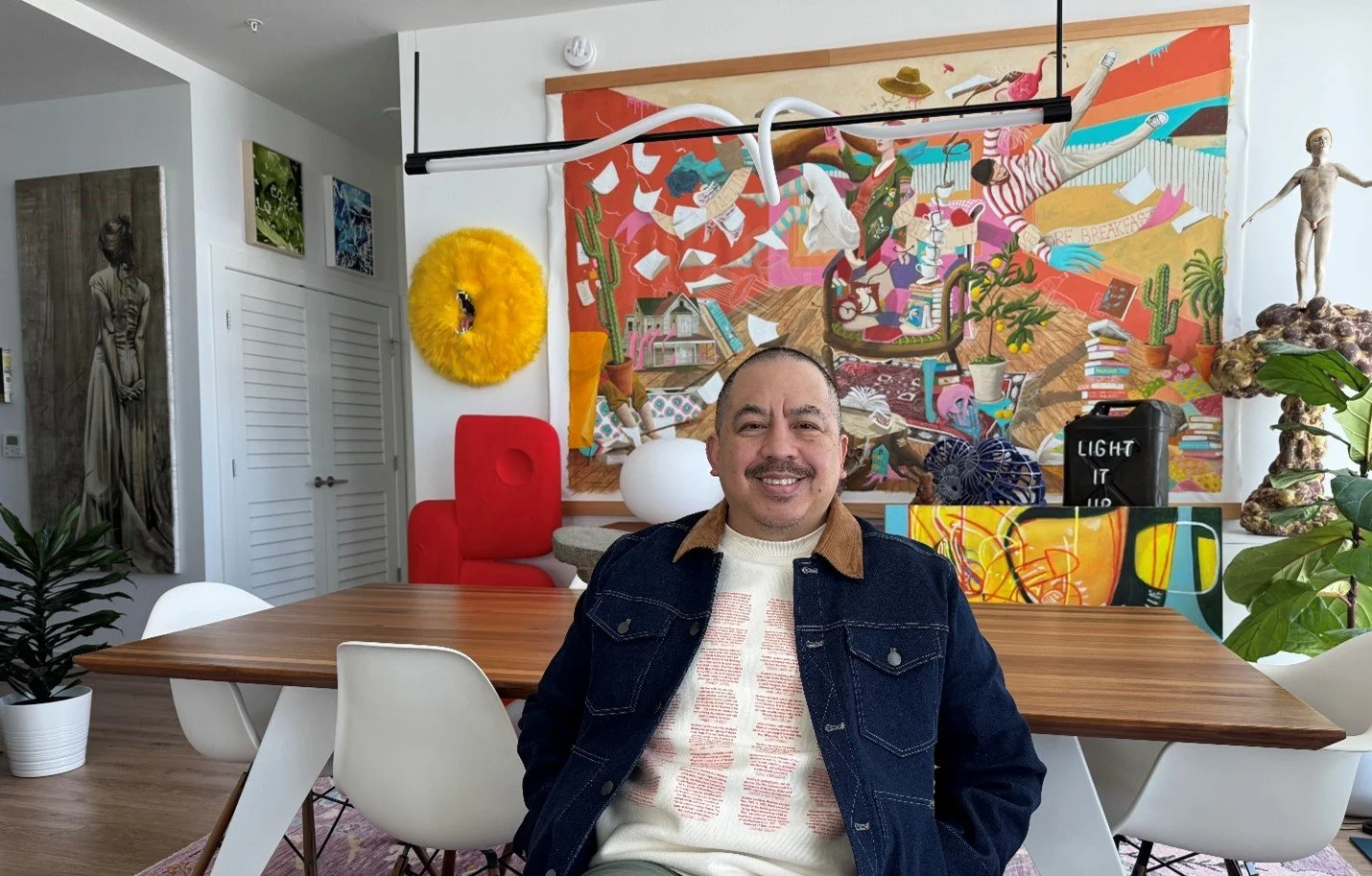
The Compulsive Beauty of Dio Sumagaysay’s Collection
ARTEVIRIDEA
By Arlo Jake Lagmay
Meeting Dio Sumagaysay is like stepping into a labyrinth—each turn revealing a different facet of his mind, his collections, and his philosophy of art. Based in Portland, Oregon, Dio doesn’t just collect art; he collects stories, encounters, and ideas that cling to the walls of his home, his storage spaces, and his memory. He calls his condition Arteviridea—an art collector’s disease with no cure, a spectrum between ordinary passion and obsession.
When Dio described how it all began—innocently enough with a single painting from the Armory Show in New York over two decades ago—it didn’t sound like the start of a hobby. It sounded like the beginning of an affliction. “Then I bought another, and another,” he recounted. “Pretty soon, the walls were full, the closets were full, even the floors were full. I had to rent a storage unit. Then I needed another. And by that point, I realized—this was not a phase. It was something permanent.”
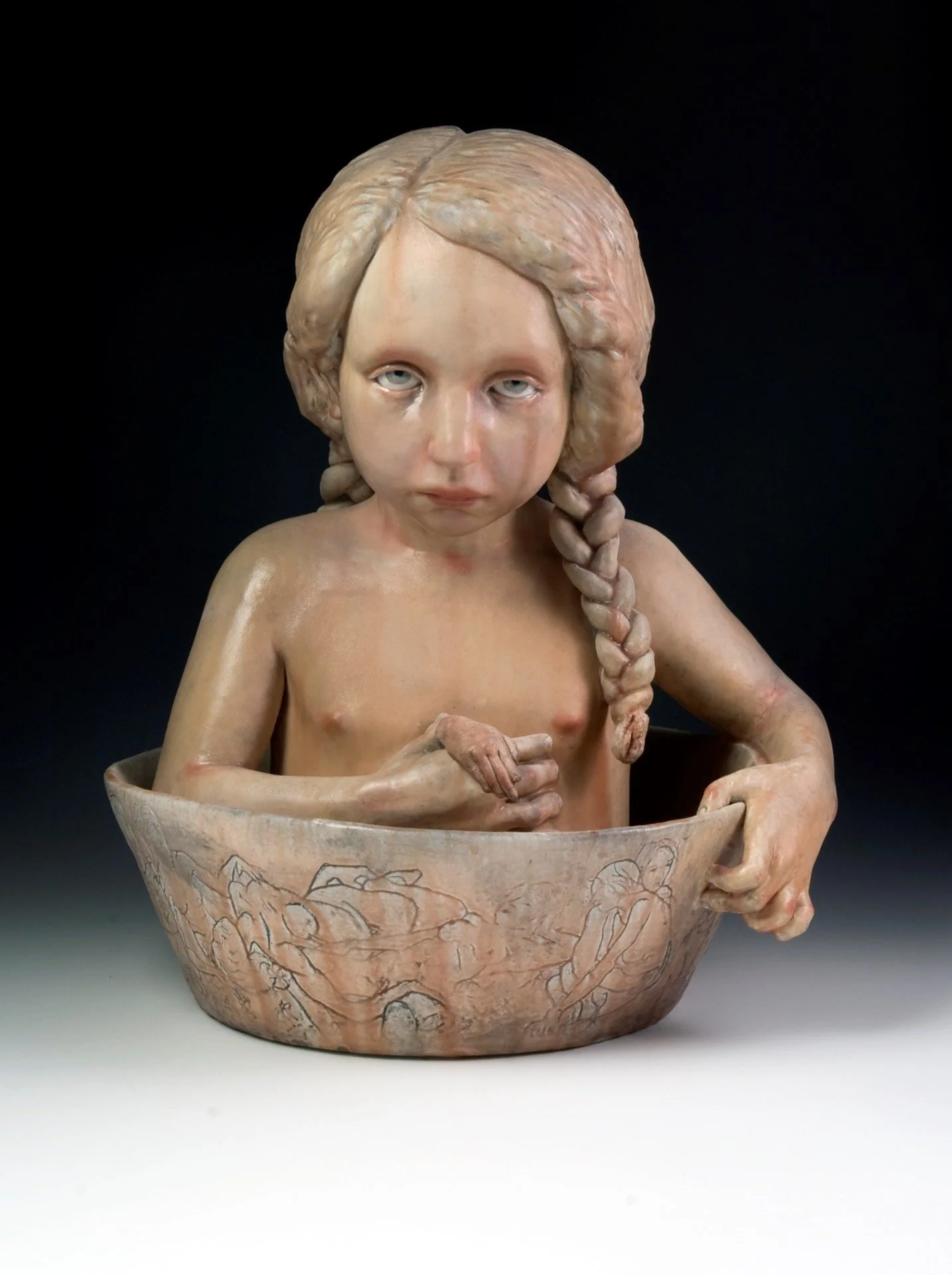
Sculpture by Christine Golden
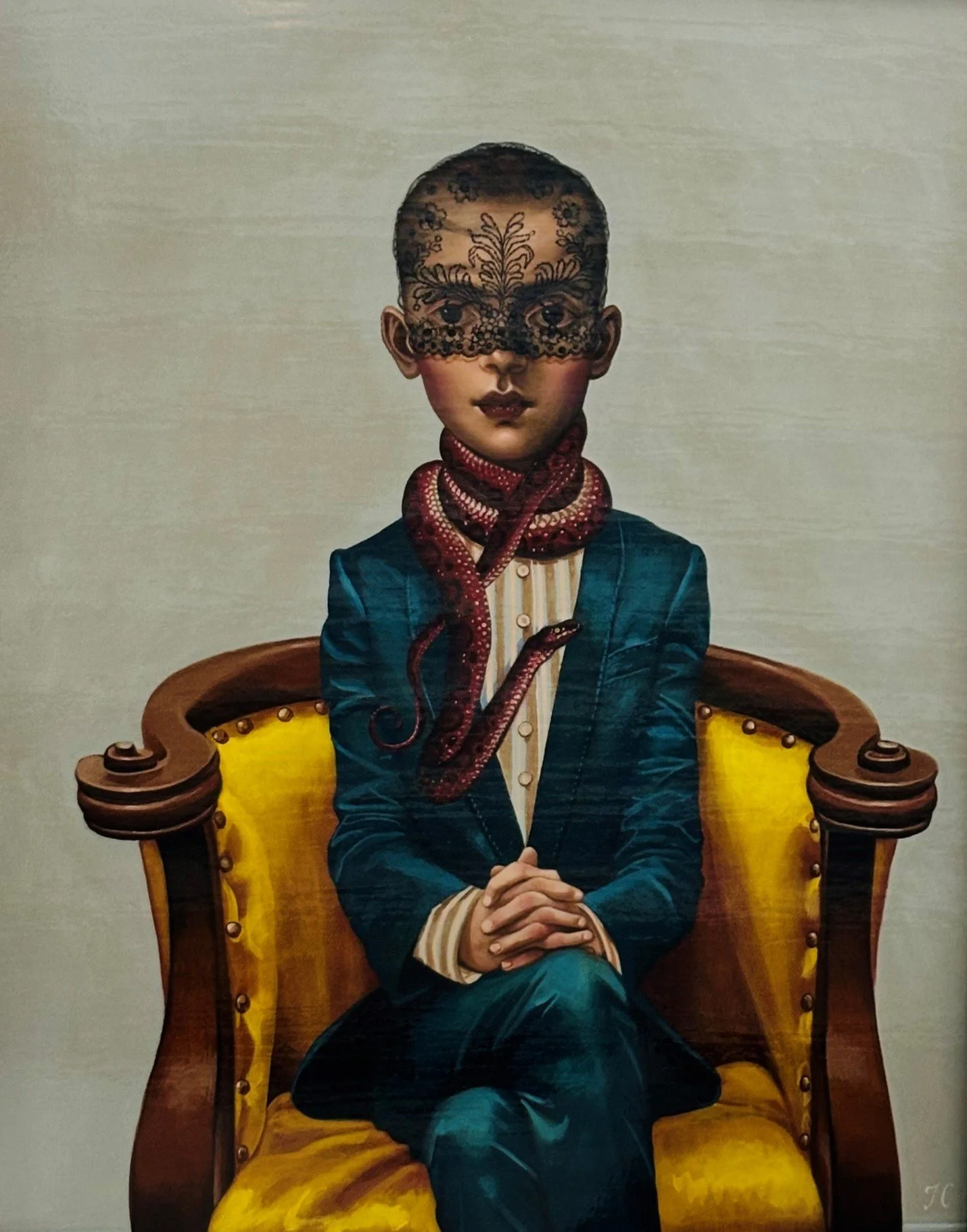
Snake Charmer, 2008 by Timothy Cummings
What fascinates me most about Dio’s collection is that it doesn’t have boundaries. While it started with surrealism and lowbrow art, his taste has grown into something harder to categorize—an evolving mirror of his inner curiosities. He’s drawn to the unexpected, the irreverent, and the subversive. “Surrealism is a playground for the subconscious,” he told me. “It lets us think in ways we don’t allow ourselves to during our waking life. And lowbrow—it’s got this punk energy, this middle finger to elitism. I love that. I’ve always loved that.” But Dio doesn’t just collect for himself. As he spoke, it became clear that he sees collecting as a historical act, a way of ensuring that the works—and the artists—don’t vanish. Every acquisition is a conversation, a handshake across time. Many of his pieces come from friends who became artists or artists who became friends.
“My collection is my visual autobiography,” he said. “When I look at these pieces, I remember where I was, who I was with, and sometimes even who I was becoming.” “We’re all just temporary owners,” he reflected. “You think you own these things, but really, you’re just passing through. The art will be here long after I’m gone, hopefully in hands that love it as much as I do.”
I was especially drawn to his excitement for emerging artists. Dio doesn’t just acquire their works; he invests in their potential. He commissions, curates, and even mentors, all in pursuit of pushing artists and galleries beyond their comfort zones.
“If I see something in an artist—something raw, something unpolished but powerful—I want to help them sharpen it. I want to see how far they can take it, how far we can push together. That’s the thrill.”
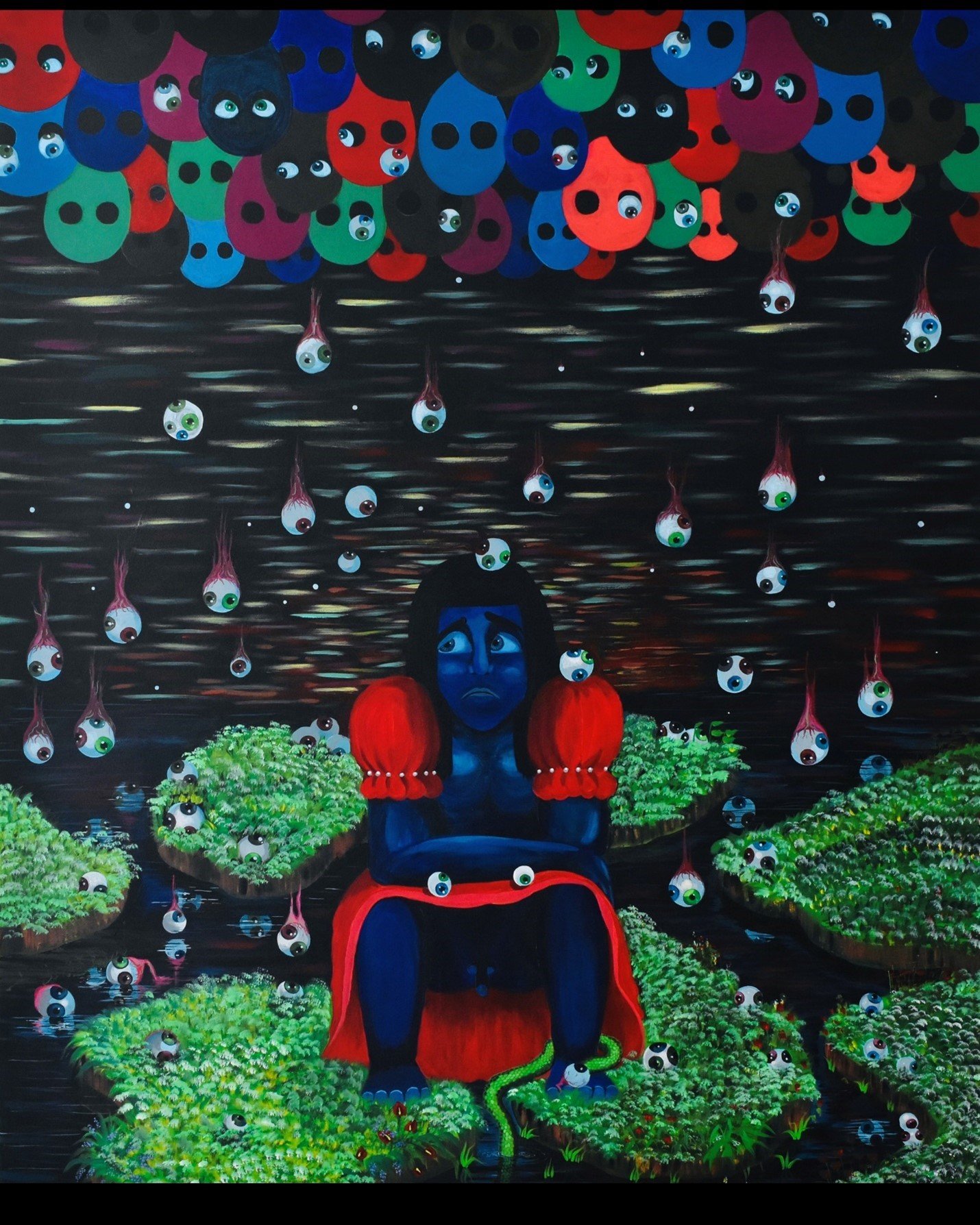
Hails of Eyes, 2024 by Arlo Jake Lagmay
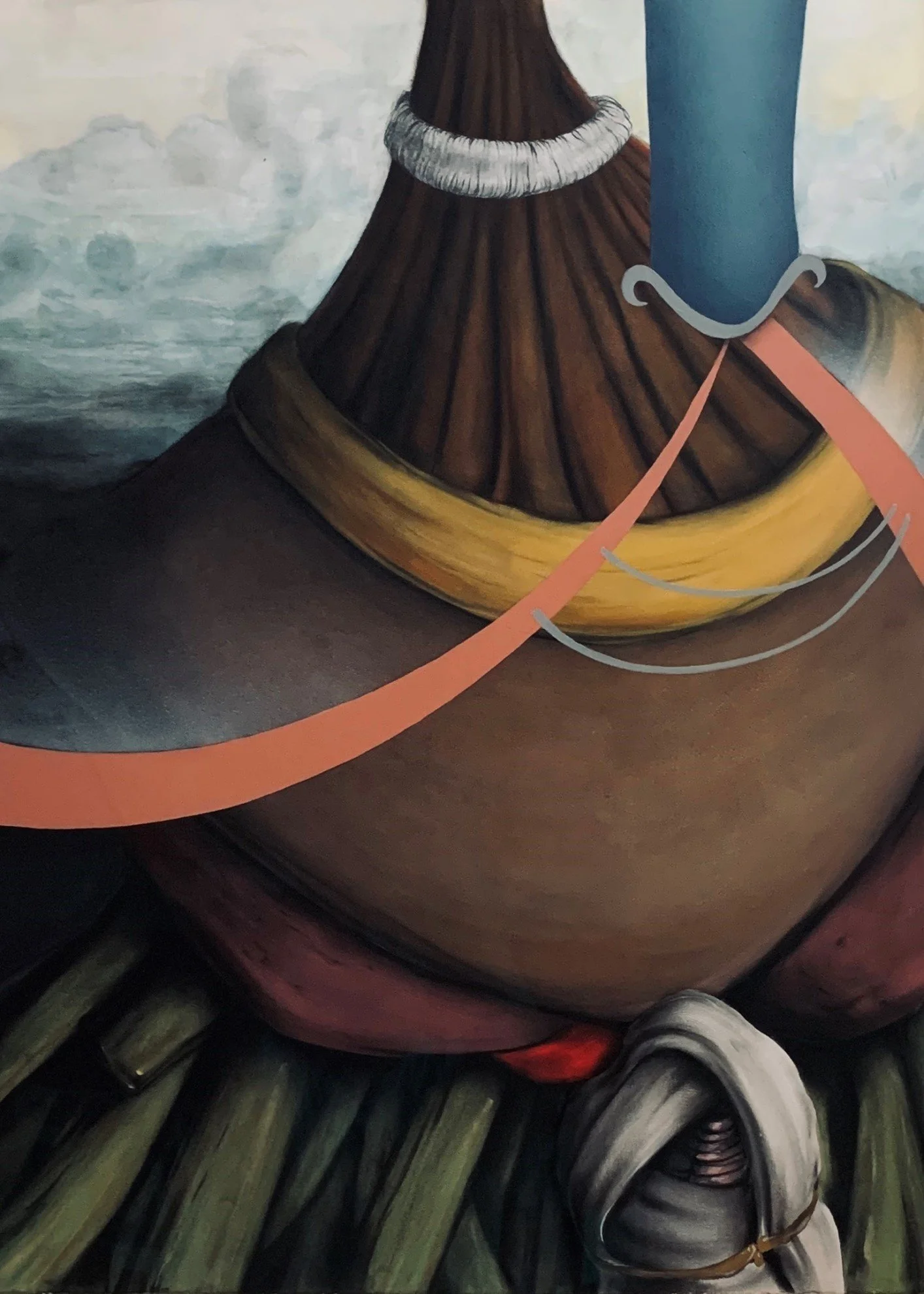
Mascot, 2009 by David Eckard
When I asked him if surrealism reflects his way of seeing the world, his answer was immediate: “Absolutely. I think life is surreal. We pretend it’s all logic and order, but it’s not. It’s dreams, contradictions, coincidences. Collecting surrealism feels like admitting that truth.”
Interestingly, despite his deeply intuitive approach to art, Dio’s professional life is governed by structure—he holds a leadership role in a hospital where precision and efficiency rule. “At work, I have to be strategic. I have to make decisions that have real-world consequences. But art—that’s where I let go of all that. That’s where I can be messy, irrational, even obsessive.”
When I asked about his living space, he laughed. “It’s chaos. Beautiful chaos. Every wall, every corner—it’s all claimed by art. After a while, your home starts to look like your mind. And I guess my mind is cluttered, but in a good way.” He compared his space to an impromptu salon, where informal tours naturally happen after dinner parties. “People want to know the stories behind the pieces. And I love telling them. It’s like introducing old friends to new ones.”
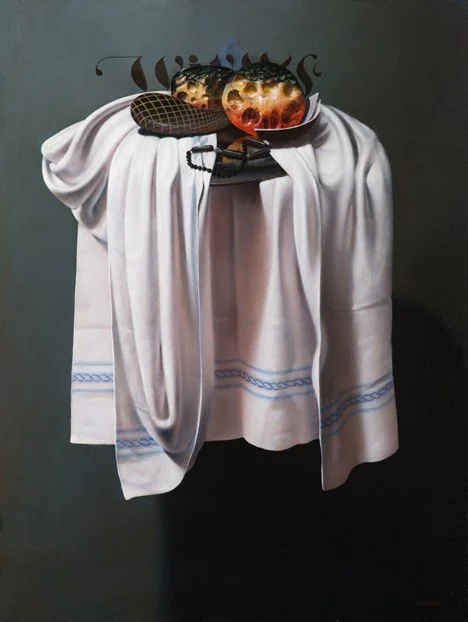
Tabula Rasa, 2012 by Christian Rex van Minnen
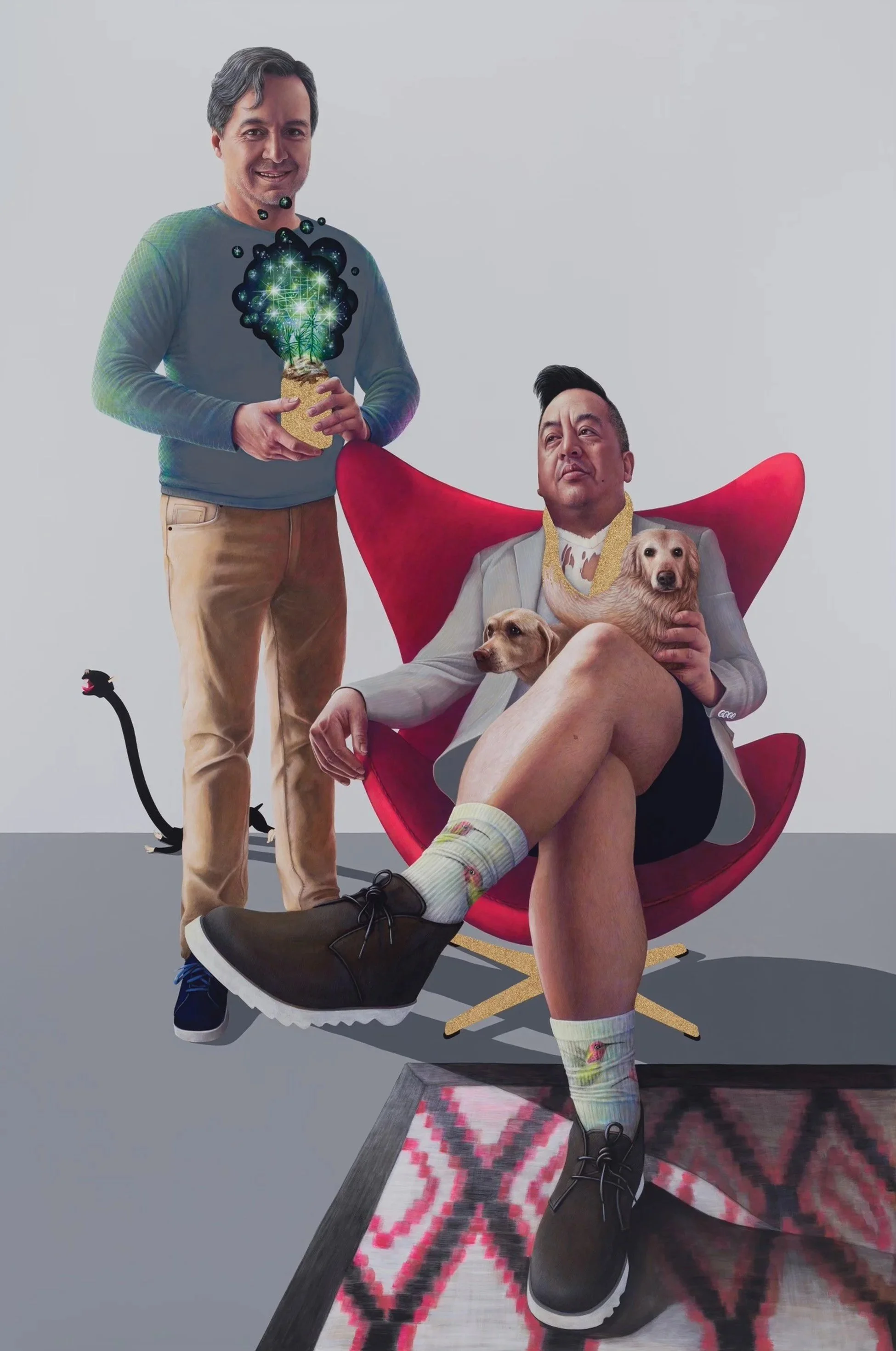
The Portrait, 2022 by Tanmaya Bingham
We also talked about the shifting landscape of art collecting—how it’s no longer the exclusive domain of the elite. “Collectors now have a responsibility. We can either keep the gates closed, or we can open them. I’d rather open them.” He brought up Dorothy and Herb Vogel, the legendary working-class collectors, as an example of what passion can achieve without wealth.
Before we ended our conversation, I asked him who he thinks deserves more attention. Without missing a beat, he said, "David Eckard. His work is performance, sculpture, and pure enigma. And Tanmaya Bingham—she paints these hyper-real yet deeply surreal portraits that just stay with you. They both deserve more eyes on their work."
Talking with Dio Sumagaysay didn’t feel like an interview—it felt like being let in on a secret, a glimpse into a life where art isn’t just decoration but dialogue. “Arteviridea—it’s not just a condition,” he said, smiling. “It’s a way of living. And honestly, I wouldn’t want to be cured.” Some afflictions, it seems, aren’t meant to be cured—and perhaps that’s the point.