

Innozenz X – A Papal Portrait in Comparison: The Depictions by Diego Velázquez and Francis Bacon
Essay by Gracia Greiner
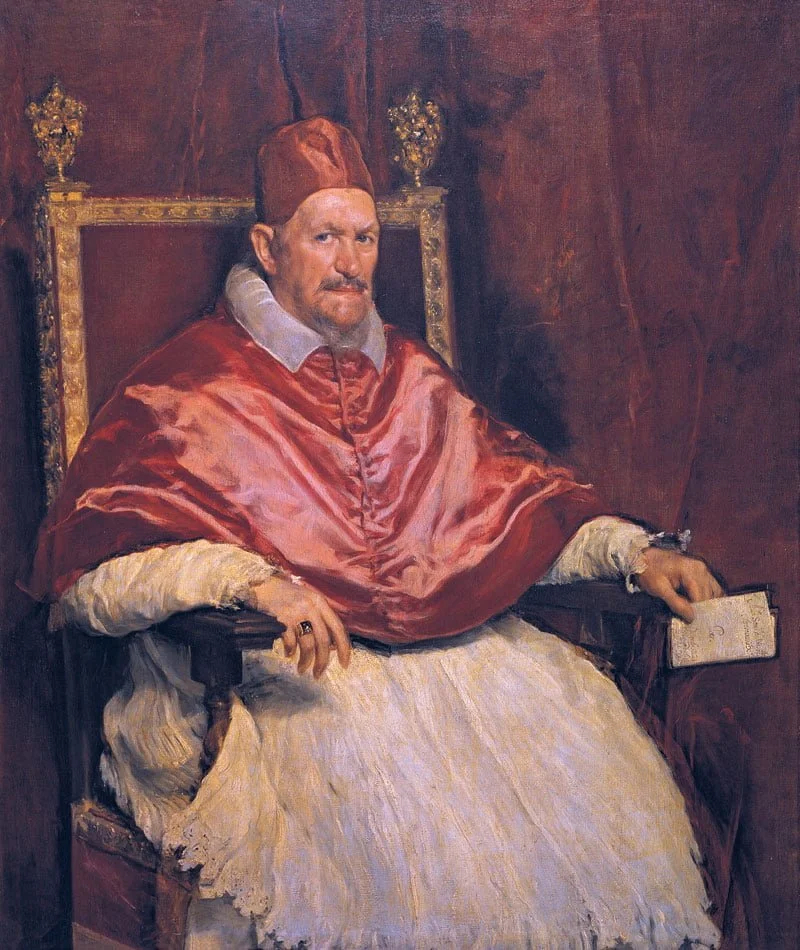
Fig. 1 - Diego Velazquez, Pope Innozenz X., Rome, Galleria Doria-Pamphili, 1650, 140 x 120 cm, Oil on canvas
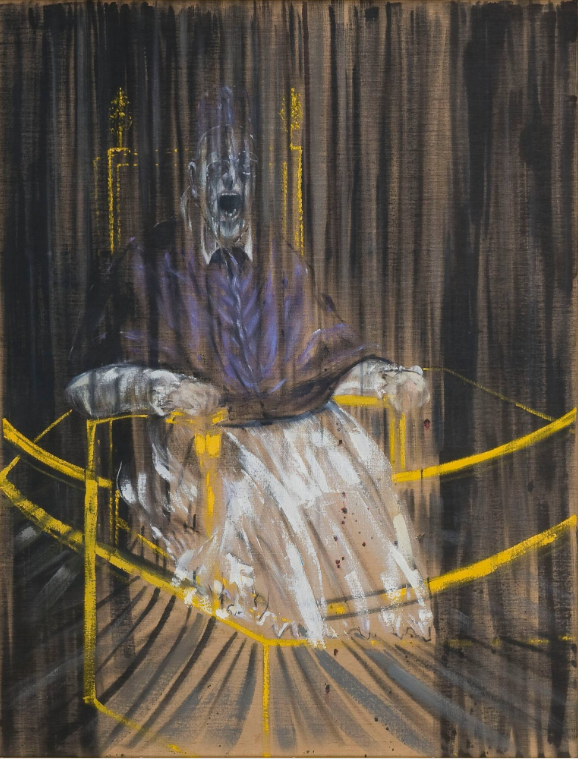
Fig. 2 - Francis Bacon, Study after Velázquez’s portrait of Innozenz X., De Moines, Iowa, Des Moines Art Center, 1953, 153 x 118 cm, Oil on canvas
1. Introduction
Pope Innocent X was portrayed by Diego Velázquez, and Francis Bacon later created a new painting based on Velázquez’s portrait. The essay will first introduce the works and the creation of the two portraits, followed by a description and interpretation of each. Finally, a comparison and conclusion will be drawn.
2. Diego Velázquez – Portrait of Pope Innocent X
2.a. Information about the Painting and Its Creation
The portrait of Pope Innocent X, painted by Diego Velázquez, was created around 1650 in Rome (Fig. 1). Velázquez was a Spanish painter and one of the most important representatives of the Baroque. His works span religious subjects, historical myths, portraits, and he also served as the court painter to King Philip IV. Velázquez was especially inspired by Rubens, but also by Titian, and he undertook several trips to Italy. His style is characterized by a very loose and expressive brushwork. 1 Through his travels to Italy in 1629–1630 and 1649–1651, Velázquez was influenced by Venetian and Roman painting.
The portrait of Pope Innocent X was created during Velázquez’s second trip to Italy (1649–1651). As a court painter, he had the opportunity to visit the Vatican and thus to portray Innocent X. The Pope is said to have commented that the painting was “too truthful” (“troppo vero”).
2.b. Description and Interpretation
The portrait depicts an elderly man sitting in a chair, looking directly at the viewer—or rather, at the painter.
The man is represented in a three-quarter view as a seated half-length figure.
He is dressed magnificently, and his wealth is reflected in the opulent chair. On his head he wears a red camauro made of shiny material; his body is clad in a white soutane of voluminous fabric, covered by a red, buttoned mozzetta made of lustrous material. On his right hand, he wears a luxurious ring, the so-called Fisherman’s Ring, 4 and in his left hand, he holds a letter or a document.
The clothing is highly symbolic: the red cloak stands for the blood of martyrs, and the white garment symbolizes innocence and holiness. The papal throne is upholstered with red velvet and adorned with golden decorations. The throne symbolizes papal power and grandeur. It can be seen as a framing device that directs the viewer’s attention toward the Pope’s face.
The red background—probably also velvet—repeats the color scheme and creates unity.
The lifelike depiction of the Pope is emphasised through his individual face. He has a light beard and mustache. His facial features seem suspicious; his lips are pressed together, and his brows furrowed as he gazes intently and scrutinizingly at the viewer. He appears powerful and ruthless, almost condescending. Does his chosen name, Innocent, carry an ironic undertone?
Although the Pope’s gaze is vivid, he seems endowed with eternal calm. The sternness of his face is balanced by his quietly seated body.
The dominant red palette enhances the expressiveness, which is further achieved through Velázquez’s brushwork—referred to as “borrónes” or “manchas distantes” (loosely applied strokes) that seem chaotic up close but perfect from a distance, forcing the viewer to adopt a specific viewing experience.
Velázquez portrays a strong personality in his public office as Pope. He respects conventional codes but adds individuality, revealing the sitter’s character traits. The physiognomy is well captured without excess embellishment. Intriguingly, the name “Innocent” contrasts with his seemingly ruthless demeanor. Velázquez depicts the Pope ex cathedra (from the throne), testifying to papal infallibility and spiritual authority.
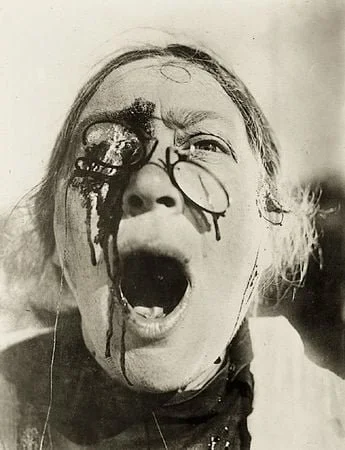
Fig. 3 - Sergei Eisenstein, Film still of the nurse from the Odessa steps sequence of Battleship Potemin, 1925
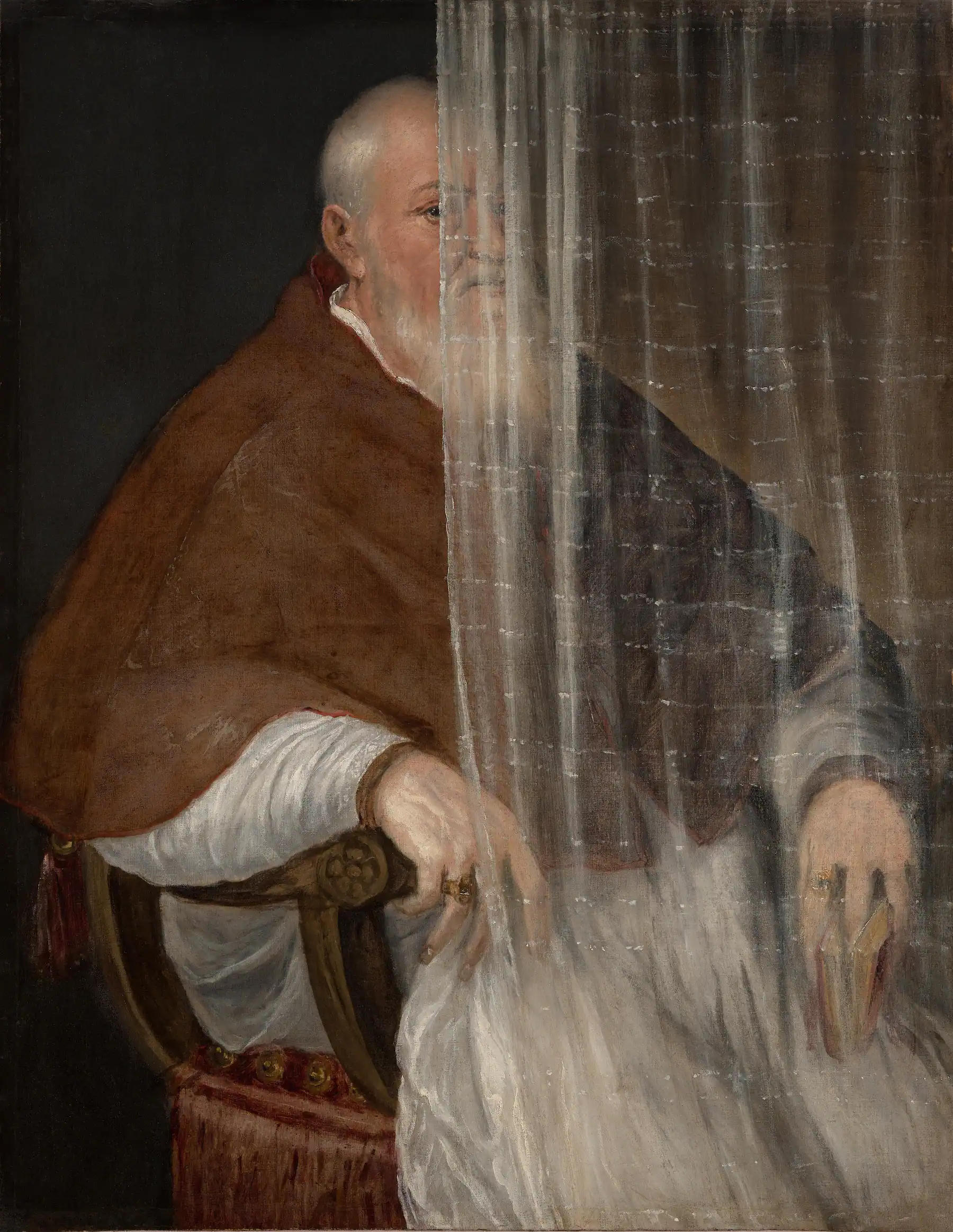
Fig.4 - Titian, Portrait des Kardinals Filippo Archinto, Philadelphia Museum, Philadelphia, 1551-1562, 114,8 x 88.7 cm, Oil on canvas
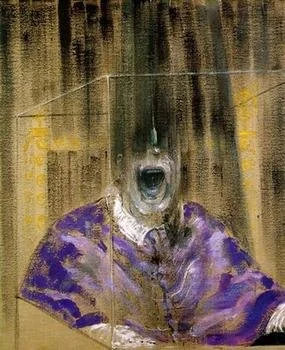
Fig. 5 - Francis Bacon, Head VI (Kopf VI), Arts Council Collection, Hayward Gallery, London, 1949, 93 x 76.5 cm, Oil on canvas
3. Francis Bacon – Study after Velázquez’s Portrait of Pope Innocent X
3.a. Information about the Painting and Its Creation
Francis Bacon was an English painter who lived throughout the 20th century. His works are considered individualistic, intense, and disturbing. Largely self-taught, Bacon worked extensively with drawings, studies, and paintings. He often painted on fiberboard or stretched canvas, sometimes using the reverse side for greater absorbency and a matte effect. The central figures were usually executed in oil, while the surrounding elements were painted with faster-drying media such as emulsion or acrylic. Besides conventional brushes, he frequently used his fingers and sponges.
While abstract art dominated, Bacon made the human figure the subject of his work. Photography was a major source of inspiration, and he often addressed homosexual themes in his art.
Bacon was fascinated by Velázquez’s portrait of Pope Innocent X. Its perfection haunted him, prompting him to recreate it. His series Study for Portrait I–VIII was produced in the summer of 1953 and shows pope-inspired portraits influenced by photography and cinematic imagery. Two earlier works—Study after Velázquez (Fig. 2) and Study after Velázquez II, both painted in 1950—are also associated with this series. Bacon painted more than 20 Popes, all based on Velázquez’s original, including head studies, close-ups, and full-length portraits.
Bacon visited Rome in 1954—after completing The Papal Portraits—to see Velázquez’s painting in person. Until then, he had only known it through reproductions.
His inspirations included not only Velázquez’s portrait but also Titian’s portraits and the film Battleship Potemkin.
For example:
• The film still (fig. 3) of the screaming nurse from Eisenstein’s Battleship Potemkin influenced Bacon’s head studies, particularly Head VI. (Fig. 5)
• Titian’s Portrait of Filippo Archinto likely inspired the vertical “curtain-like” lines in Bacon’s painting. (Fig. 4)
3.b. Description and Interpretation
At the center of the painting sits a figure wearing a purple headpiece and a white garment covered by a short cloak—clearly a Pope, as indicated by his attire. The garment is splattered with red stains. Is it blood or does Bacon echo Velázquez’s manchas technique? The Pope grips the arms of an imposing yellow chair as if clinging desperately.
The background is dark and shallow, with vertical lines suggesting a curtain that merges with the figure. These lines burst downward as if collapsing—a visual echo of instability.
The expression is agonized; the Pope appears to be screaming in terror, his mouth wide open, teeth bared. His gaze is obscured, possibly behind simple spectacles. Is he seated on an electric chair? Is he screaming from internal torment or external forces? He seems to have lost all control—unlike a spiritual leader.
The scream strips the Pope of authority and power, leaving only a state of existential despair.
Unlike Velázquez, Bacon portrays the Pope in camera (in camera refers to an interrogation in the
private space to protect a witness from the public), rather than ex cathedra. The public figure is isolated, confined, and transformed from a confident patron into a screaming victim—shattered by external forces and inner psychoses.
4. Comparison of the Portraits
Velázquez adheres to traditional papal portrait conventions, presenting Innocent X as a spiritual leader in his public role, dignified and authoritative. Bacon breaks this archetype, showing him as vulnerable and fearful. Velázquez dehumanizes the Pope by elevating him beyond ordinary humanity, whereas Bacon re-humanizes him, revealing suppressed fragility and terror.
Bacon’s work continues Velázquez’s, exposing what was hidden: the Pope’s private self, stripped of spiritual power and reduced to raw humanity.
5. Conclusion
The two portraits of Pope Innocent X differ profoundly in meaning and expression. Velázquez portrays a confident, authoritative figure, while Bacon recontextualizes him into a state of existential crisis. Both works share formal similarities and inspiration from Titian, but Bacon expands the narrative by infusing psychological tension and vulnerability, turning the symbol of supreme authority into a screaming, tormented man.